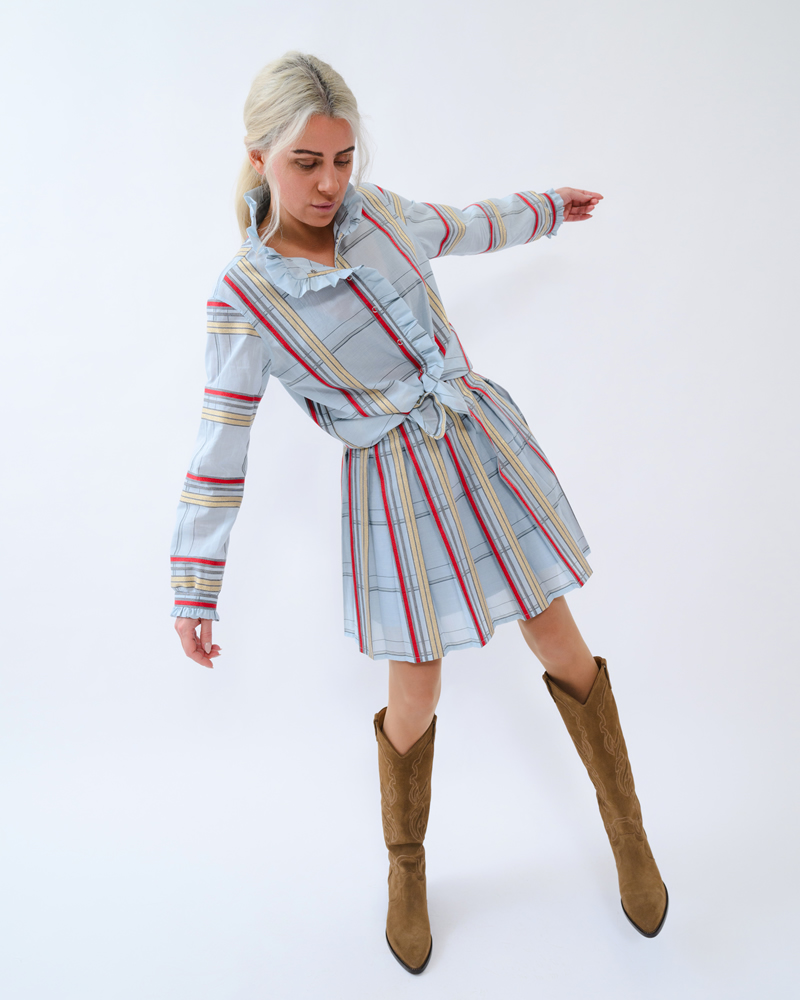
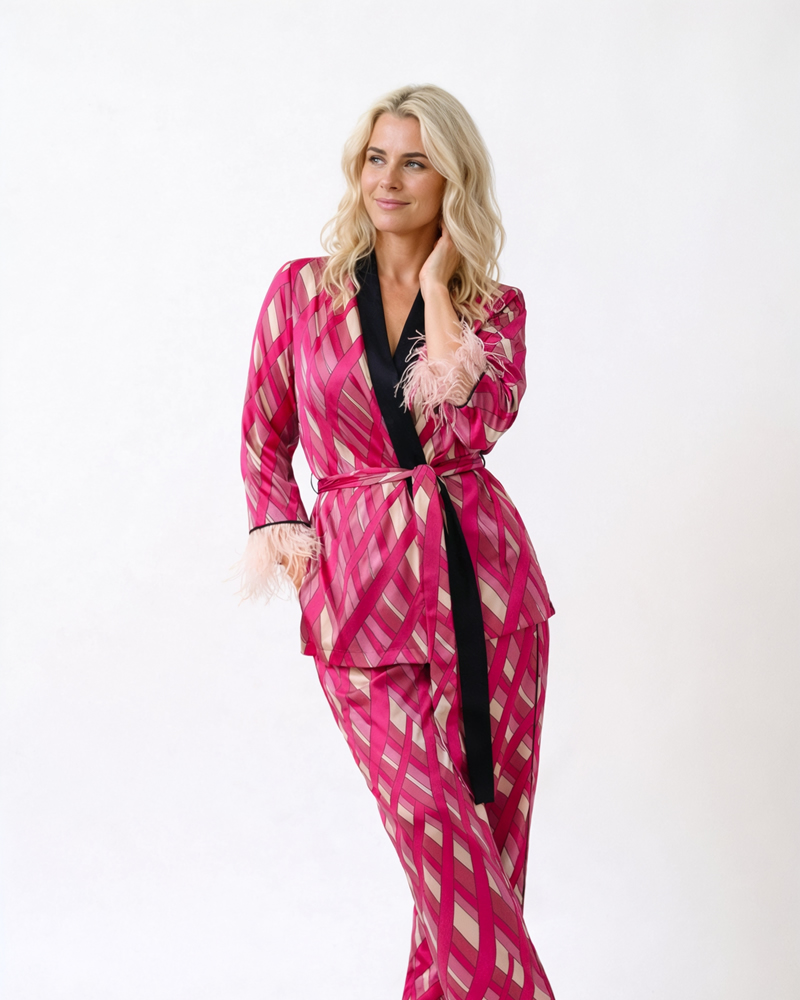


When it comes to fashion, fabric plays a crucial role in not only how a garment looks but also how it feels, fits, and functions. Understanding different types of fabrics and their unique properties will help you make smarter choices, whether you’re shopping for ready-made clothes or selecting materials for your next DIY sewing project.
Fashion Trends
Understanding different fabrics
A guide to materials and their uses
02 December 2025
1
Cotton
Cotton is one of the most widely used natural fabrics due to its versatility and comfort. Known for being soft, breathable, and durable, it’s perfect for everyday clothing like t-shirts, casual dresses, and underwear. It absorbs moisture well, making it great for warm climates. However, it tends to wrinkle easily, so it’s best for relaxed styles or when mixed with synthetic fibers for added structure.
Uses: Everyday wear, casual clothing, children’s clothing, home textiles like bed sheets and towels.
2
Linen
Linen is another natural fiber, valued for its lightweight and breathable nature. It’s ideal for hot weather because it allows air to flow through, keeping you cool. While linen wrinkles easily, it’s often embraced for its casual, relaxed look. Its durability and unique texture make it a popular choice for summer clothing, as well as home decor like curtains and tablecloths.
Summer clothing, blouses, skirts, and home decor.
3
Silk
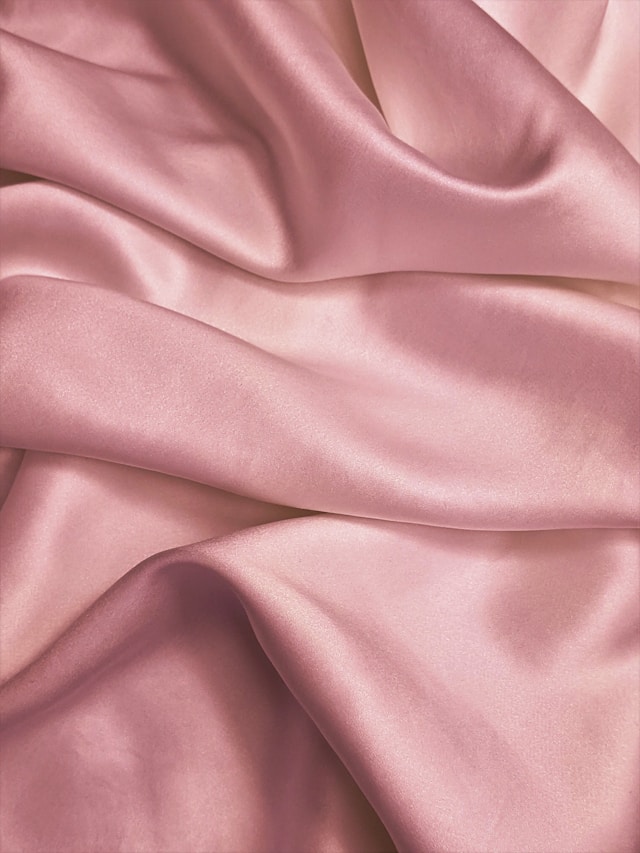
Silk is a luxurious fabric known for its smooth texture and natural sheen. It drapes beautifully and feels soft against the skin, making it a favorite for evening wear and formal attire. Silk is also breathable and temperature-regulating, keeping you warm in the winter and cool in the summer. However, it requires delicate care, as it can stain or snag easily.
Uses: Formal dresses, blouses, lingerie, scarves, and luxury home textiles.
4
Wool
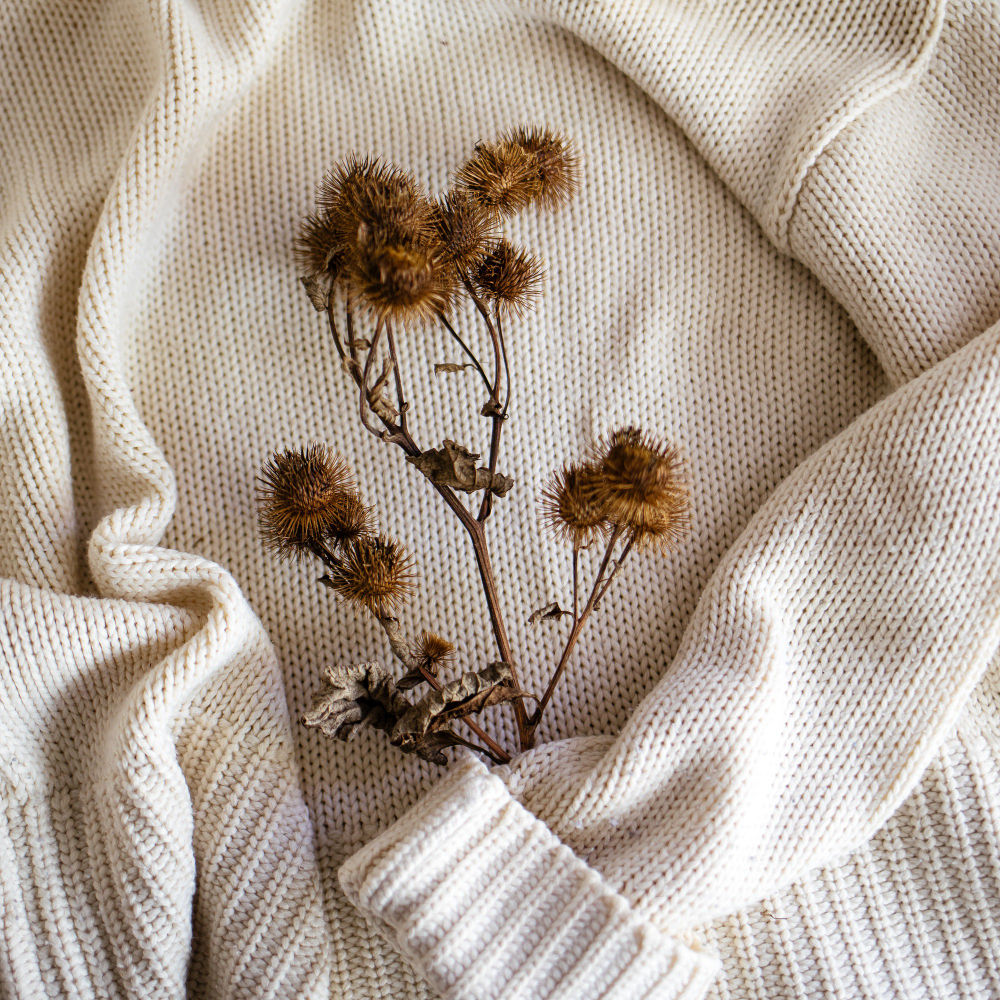
Wool is a natural fiber that’s excellent for keeping warm. It provides insulation by trapping air, making it a great choice for cold-weather clothing like coats, sweaters, and suits. Depending on the type of wool, from Merino to cashmere, it can vary in softness and thickness. Wool is also moisture-wicking and odor-resistant, making it practical for activewear.
Uses: Sweaters, coats, suits, and winter accessories like scarves and hats.
Polyester
Polyester is a synthetic fabric prized for its durability, wrinkle resistance, and quick-drying properties. Often blended with natural fibers, it provides structure and longevity to garments. Polyester is low-maintenance, making it a good option for activewear and travel clothing. However, it’s less breathable than natural fabrics, which can make it uncomfortable in warmer climates.
Uses: Sportswear, outerwear, casual wear, and easy-care home textiles.
Viscose (Rayon)
Viscose, also known as rayon, is a semi-synthetic fabric made from wood pulp. It has a silk-like feel and appearance, but at a more affordable price. It’s breathable and comfortable, making it suitable for summer clothing. However, it can be prone to shrinking and requires gentle care, such as hand washing or dry cleaning.
Uses: Blouses, dresses, skirts, and soft drapey garments.
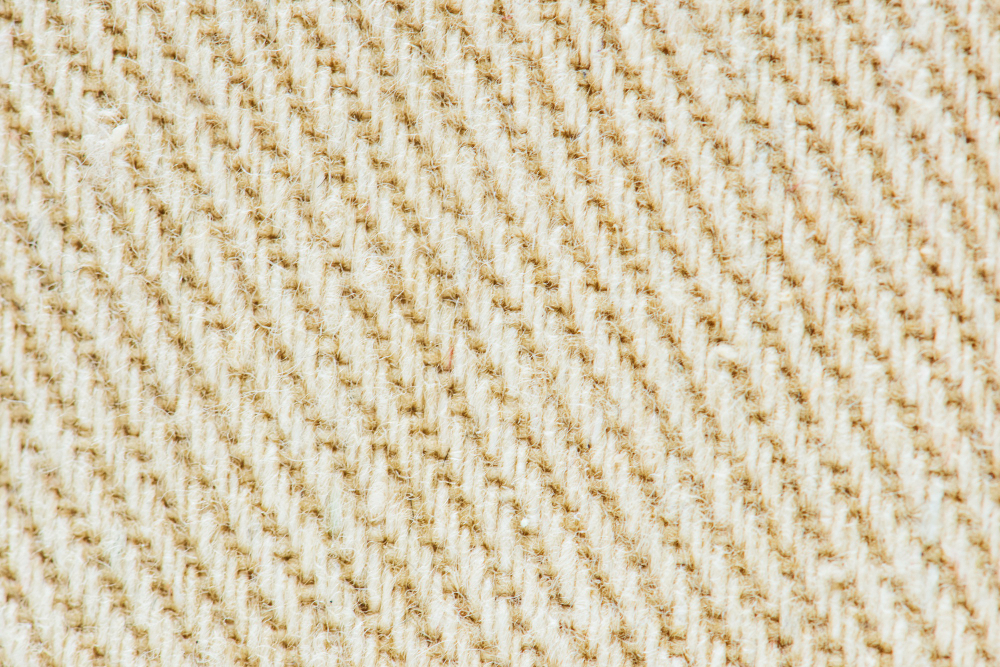
Denim
Denim, made from cotton or a cotton blend, is known for its durability and rugged texture. While originally used for workwear, denim is now a fashion staple for casual, everyday clothing. It softens with wear and is highly durable, making it perfect for long-lasting wardrobe pieces like jeans and jackets.
Uses: Jeans, jackets, skirts, and casual wear.
Each fabric has its unique properties, making it more or less suitable for specific types of clothing and occasions. Understanding the characteristics of different materials—natural, synthetic, or blends—can help you make informed decisions, ensuring your wardrobe is not only stylish but also functional and long-lasting.